
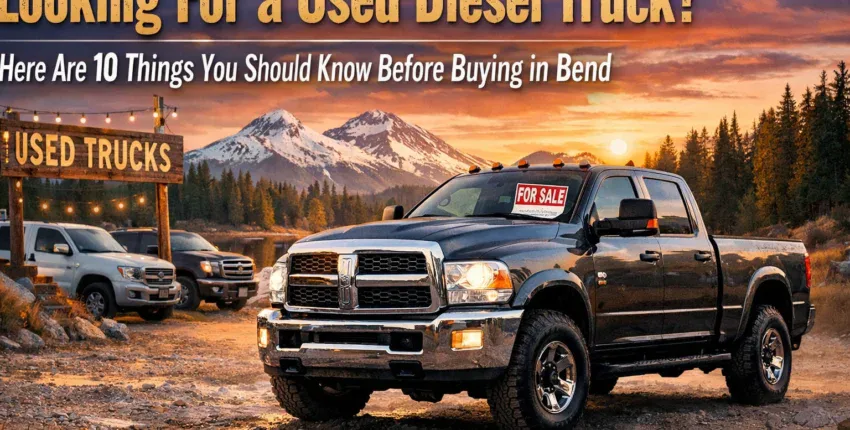
Buying a diesel truck in Central Oregon isn’t just about finding a new set of wheels; it’s about finding a partner that can handle the high desert life. Whether you’re planning to haul a horse trailer over the Santiam Pass, carry a camper into the Cascades, or just need a reliable rig for the job site, a diesel truck is a serious investment.
But let’s be real: the used market can be a bit of a minefield. You’re looking for a workhorse, not a money pit. Between the cold winters, the mountain grades, and the varying maintenance habits of previous owners, there’s a lot that can go wrong under the hood.
At Performance Authority, we’ve been working on these rigs for over 25 years. We’ve seen the “great deals” that turned into nightmares and the high-mileage gems that are still purring like kittens. To help you navigate your next purchase, we’ve put together this essential checklist for buying a used diesel truck here in Bend.
1. Research the Specific Engine and Model Year
In the diesel world, not all years are created equal. You might find a beautiful Ford Super Duty, but if it has the 6.0L Powerstroke from the mid-2000s without being “bulletproofed,” you could be looking at a massive repair bill soon. Conversely, a 2011 or newer Ford truck or a 2013+ RAM truck often offers better factory reliability for heavy towing.
Every brand has its “golden years” and its “avoid at all costs” years. Before you even show up to look at a truck, do your homework on the specific engine generation. Know which ones are known for head gasket issues, which ones have injector problems, and which ones are built like tanks.
2. The “Bend Factor”: Inspecting for Rust
We’re lucky in Central Oregon; we don’t use as much salt on the roads as they do in the Midwest or the East Coast. However, that doesn’t mean the truck you’re looking at spent its whole life in Bend. Many trucks are brought in from out of state to take advantage of our hungry market.
Get under the truck with a flashlight. You’re looking for more than just a little surface “patina.” You want to check the frame rails, the leaf spring hangers, and the cab corners. If you see heavy scaling or chunks of metal flaking off, walk away. A diesel engine can last 500,000 miles, but that doesn’t matter if the frame rots out from under it in five years.
3. Demand the Service History
A stack of receipts is worth its weight in gold. When you buy a used diesel, you aren’t just buying the metal; you’re buying the previous owner’s maintenance habits.
Look for consistent oil changes, fuel filter replacements, and transmission services. If the owner can’t provide records, you have to assume the worst. Regular maintenance is the single biggest factor in how long a diesel engine will last. We’ve written a whole guide on how regular maintenance can save your truck’s engine, and it’s a must-read for anyone entering the diesel world.
4. Check the Emissions System Health
If you’re looking at a truck made in 2007 or later, it has an emissions system. If it’s 2011 or newer, it likely uses DEF (Diesel Exhaust Fluid). These systems: including the DPF (Diesel Particulate Filter) and EGR (Exhaust Gas Recirculation): are common failure points if the truck was only driven on short trips around town.
Replacing a clogged DPF or a failed SCR system can cost thousands. During your test drive, look for any “Reduced Power” or “See Dealer Now” messages. If the truck has been “deleted” (meaning the emissions equipment was removed), be aware that this can impact your ability to register it in certain areas and may affect resale value down the line.
5. Perform a Comprehensive Diagnostic Scan
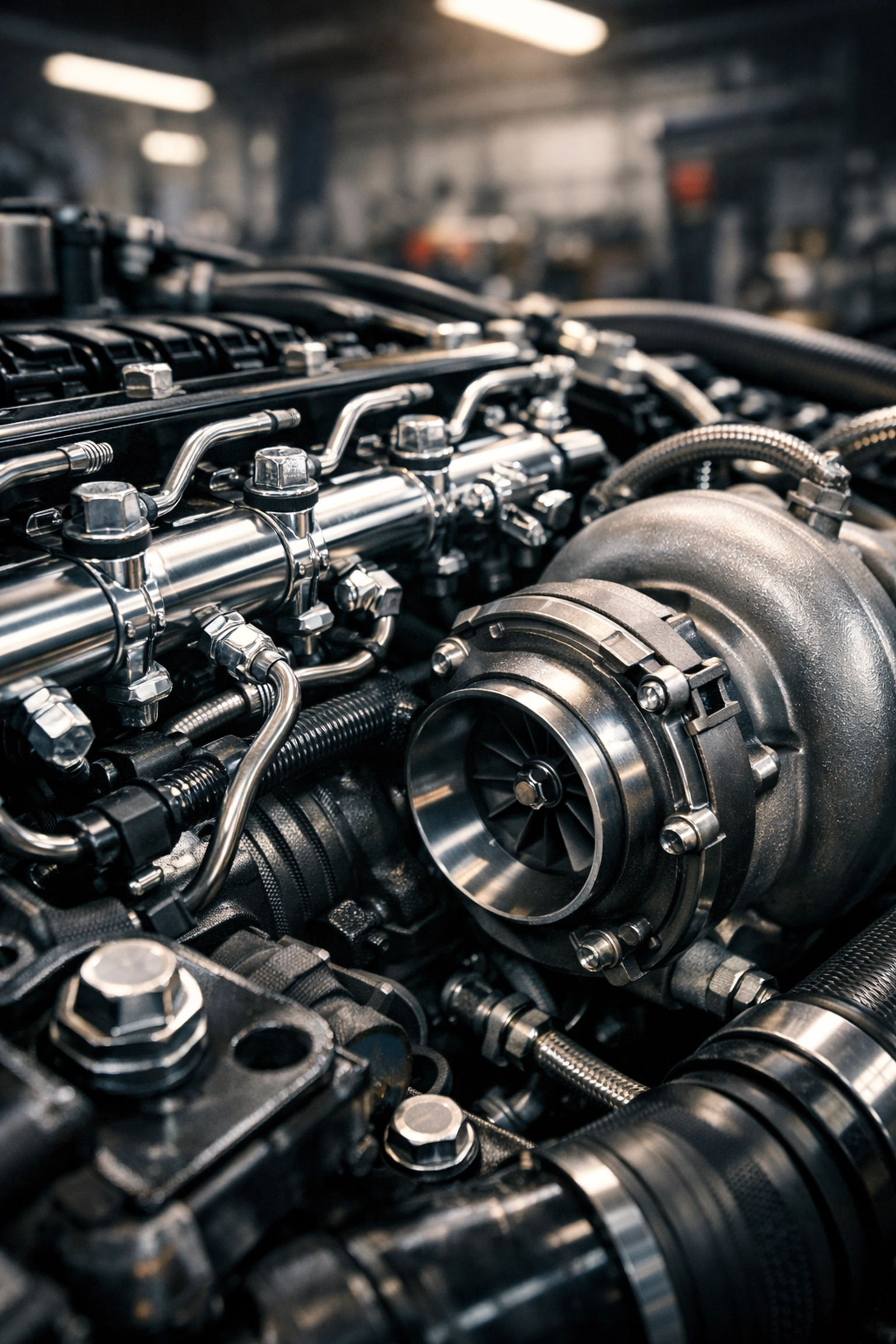
Modern diesel trucks are essentially rolling computers. Just because the Check Engine Light isn’t on doesn’t mean everything is fine. Some sellers will clear codes right before you arrive.
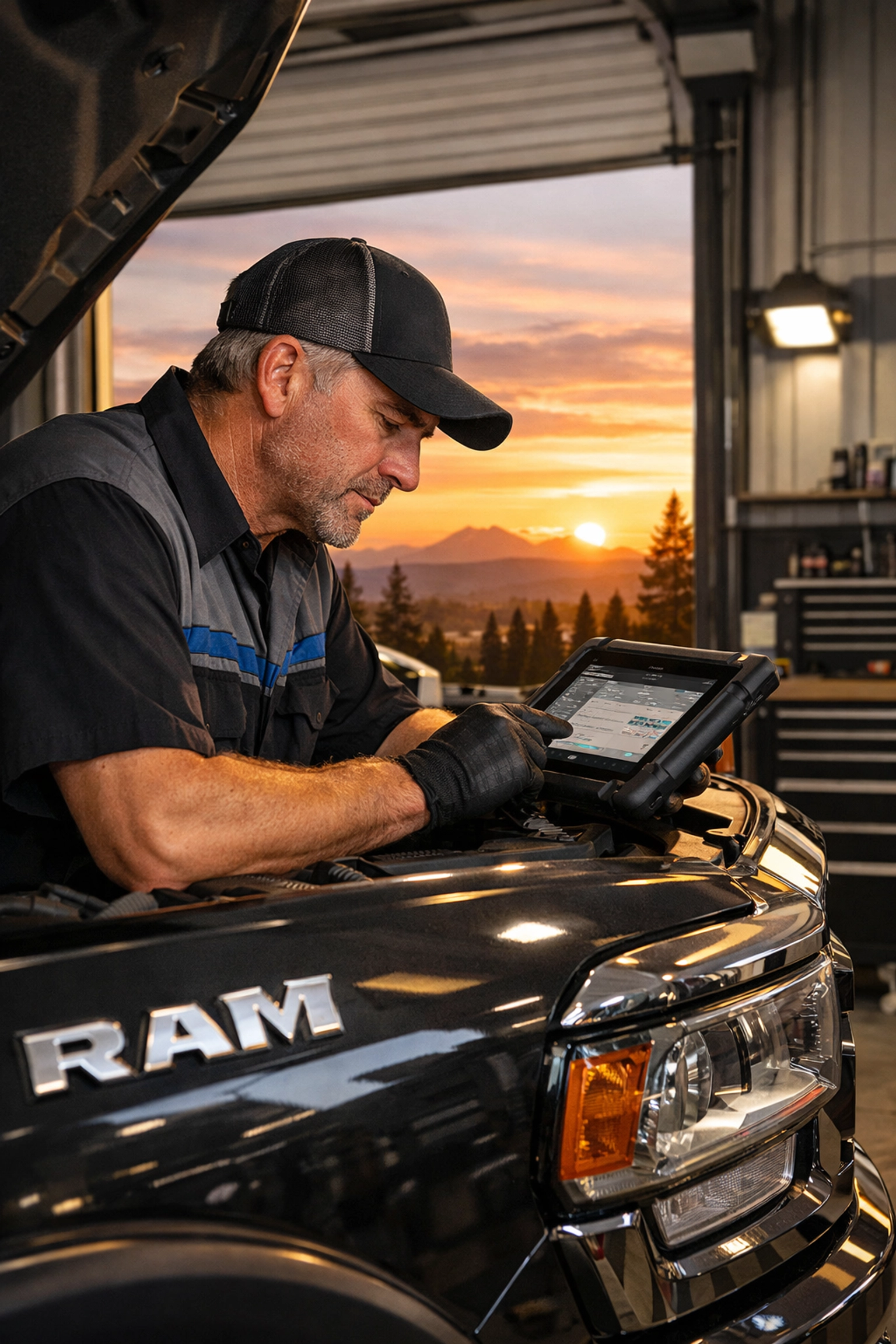
Bring a scan tool or, better yet, bring the truck to us. We can look for “pending” codes or “permanent” codes that indicate a recurring problem. We also look at balance rates for the injectors. If one injector is working significantly harder than the others, it’s a sign that an expensive diesel repair is on the horizon.
6. The Cold Start and Fluid Check
Always ask the seller to leave the engine cold before you arrive. A warm engine can hide a multitude of sins, like bad glow plugs, failing injectors, or low compression. When you turn the key, the truck should fire up relatively quickly without an excessive amount of smoke.
Once it’s running, pop the hood. Check the fluids.
- Oil: Should be black (standard for diesels), but it shouldn’t smell like burnt toast or feel gritty.
- Coolant: Look for the “strawberry milkshake” look, which indicates oil is mixing with the coolant: a classic sign of an oil cooler or head gasket failure.
- Transmission Fluid: Should be red/pinkish and smell sweet, not burnt.
7. Evaluate Suspension and Steering
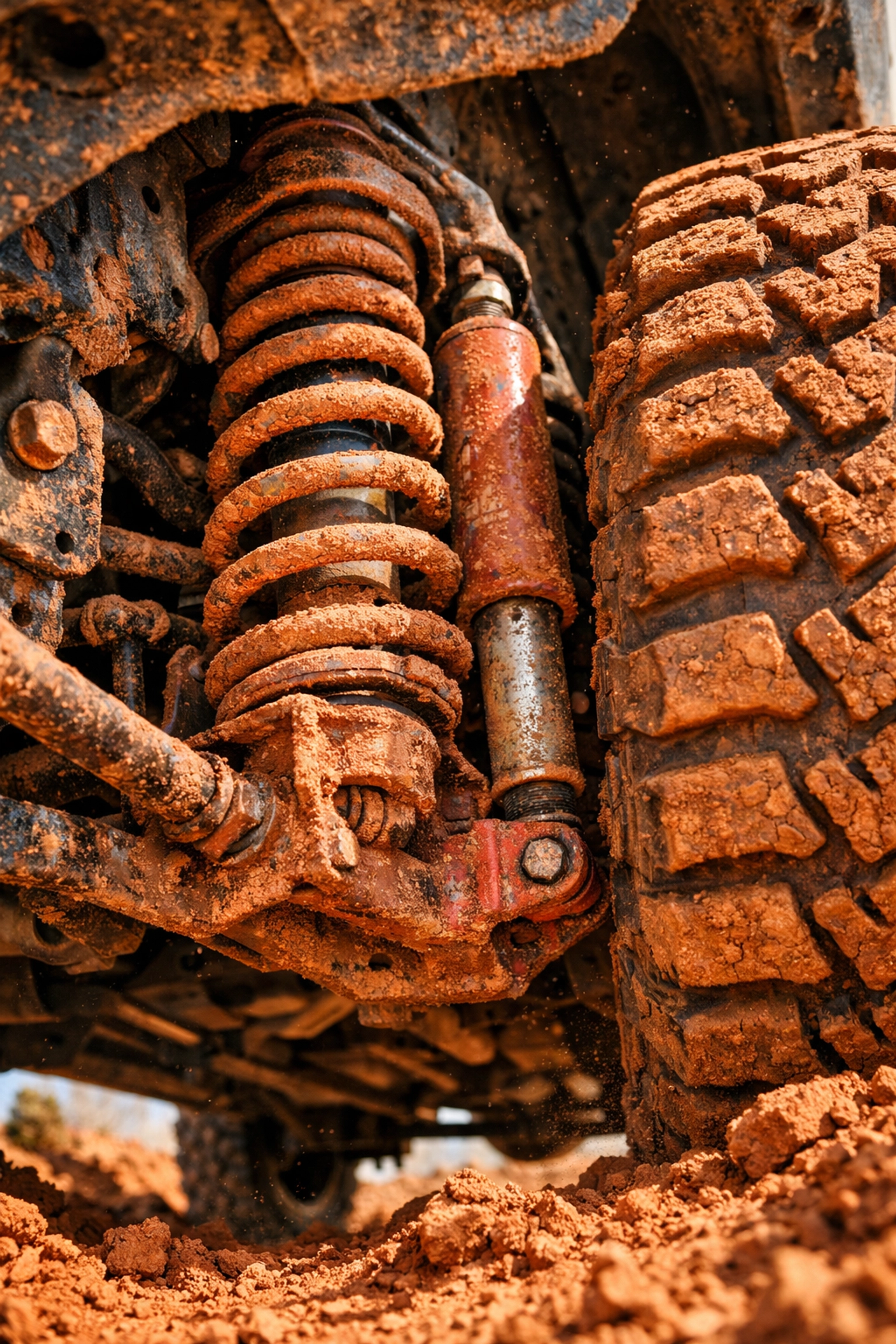
Central Oregon roads aren’t always kind. Between the washboards on forest service roads and the potholes from freeze-thaw cycles, a truck’s suspension takes a beating.
During the test drive, pay attention to “death wobble” or excessive play in the steering wheel. Check the ball joints, tie rod ends, and shocks. If the truck has a lift kit, make sure it was done correctly. A cheap lift kit can ruin the ride quality and put unnecessary stress on the drivetrain. If you’re worried about the handling, our 4×4, brakes, and suspension services can help get a rig back to peak performance.
8. Towing Capacity vs. Reality
Why are you buying the truck? If it’s to haul a 15,000-lb fifth wheel over Mt. Bachelor every weekend, you need to verify the Gross Combined Weight Rating (GCWR). Don’t just take the seller’s word for it.
Check the door jamb sticker for the actual ratings. Also, look for signs of heavy towing. A truck with a fifth-wheel hitch that looks well-used has worked hard. Hard work is fine for a diesel, but it means you need to be even more diligent about checking the transmission and cooling system. For those looking to maximize their hauling power, we often recommend specific truck performance upgrades.
9. Look for Poorly Executed Modifications
We love a tuned truck as much as anyone, but there’s a right way and a wrong way to do it. A truck that’s been set up to “roll coal” (outputting thick black smoke) is usually a sign of a bad tune that’s melting the pistons and clogging the turbo.
If the truck has a tuner, ask what brand it is and who wrote the tunes. We always advocate for custom diesel engine tuning that focuses on efficiency and longevity rather than just raw, smoky power.
10. Get a Professional Pre-Purchase Inspection (PPI)
This is the most important step. You wouldn’t buy a house without an inspection, so why buy a $40,000 truck without one?
A seller who is confident in their vehicle will have no problem letting you take it to a reputable shop. At Performance Authority, we offer comprehensive pre-purchase inspections. We’ve been the go-to shop for automotive repair in Bend for over two decades. We know exactly where to look for hidden leaks, worn bushings, and electronic gremlins that a casual observer would miss.
Why Experience Matters
When you’re standing on a gravel lot looking at a used Chevrolet or GMC truck, it’s easy to get caught up in the excitement. But having a team with 25+ years of experience in your corner changes the game. We can tell you if that “small leak” is a $50 gasket or a $3,000 labor-intensive nightmare.
We understand the local terrain because we live here. We know what it takes for a truck to survive a Central Oregon winter and a summer spent towing through the mountains. We aren’t just mechanics; we’re your neighbors who want to make sure you stay on the road safely.
Ready to Find Your Next Truck?
Don’t gamble with your hard-earned money. If you’ve found a truck you like, give us a call or contact us here to schedule a pre-purchase inspection. We’ll give you the honest, data-driven truth about the vehicle so you can buy with confidence: or run the other way.
Whether you need a PPI or you’ve just bought your rig and want to start a preventative maintenance schedule, Performance Authority is here to help you conquer the road ahead.