
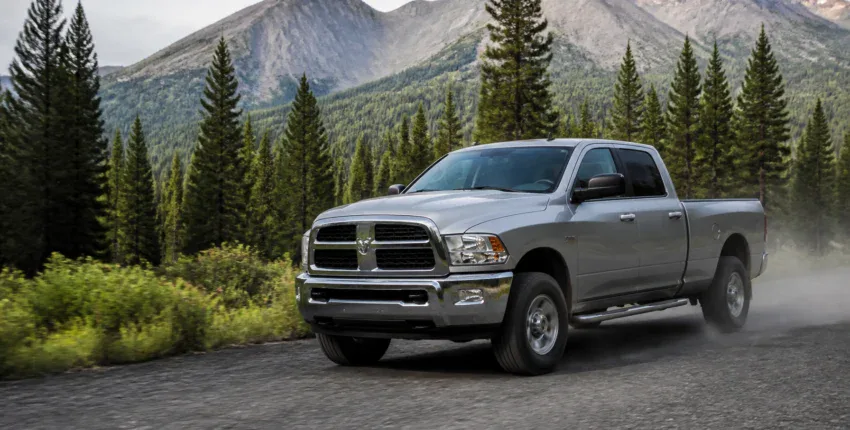
If you live in Bend or throughout Central Oregon, your truck is likely more than just a way to get from A to B. It’s your mobile office, your weekend escape to the Cascades, and the workhorse that keeps your business running. Whether you’re hauling a trailer up Santiam Pass or navigating a freezing morning in Redmond, your diesel engine needs to be reliable.
At Performance Authority, we’ve spent over 25 years specializing in the “Big Three”: Cummins, Powerstroke, and Duramax. We’ve seen every evolution of these platforms, from the mechanical simplicity of the early 90s to the complex, high-pressure common rail systems of today. Understanding the specific needs of your engine is the first step toward long-term reliability. This guide is designed to help you master the basics of diesel maintenance so you can avoid the “limp mode” blues and keep your truck on the road for the long haul.
Why Local Knowledge Matters for Diesel Repair in Bend, Oregon
Central Oregon presents a unique set of challenges for diesel engines. We have significant temperature swings, high elevations, and a lot of dust. These factors aren’t just flavor text; they directly impact how your truck’s systems perform.
Cold starts in sub-zero temperatures test your batteries, glow plugs, and grid heaters. High-altitude climbs generate immense heat, stressing your cooling system and turbochargers. And if you’re driving on forest service roads, your air filtration system is working overtime. This is why a “one-size-fits-all” maintenance schedule from a manual printed in a different climate doesn’t always cut it. For quality diesel repair in Bend, Oregon, you need a team that understands how our specific environment affects your fuel, your oil, and your emissions systems.
The Cummins Legend: Keeping Your Inline-Six Healthy
The Cummins engine, found in RAM trucks, is legendary for its torque and relatively simple inline-six design. Whether you’re running a 5.9L or a newer 6.7L, these engines are built for longevity, but they aren’t invincible.
Fuel Filtration is Non-Negotiable
If there is one thing that kills a Cummins, it’s contaminated fuel. Modern high-pressure common rail (HPCR) systems operate at pressures that would slice through steel. A single microscopic drop of water or a piece of debris can wreck an injector or a high-pressure pump. We recommend changing your fuel filters more frequently than the factory suggests, especially if you’re using local pumps that might have higher moisture content during the winter months. If you’re noticing a rough idle or white smoke, it’s time to look at your fuel system before a small problem becomes a five-figure repair.
Managing the 6.7L Emissions
For those with the newer 6.7L, the DPF (Diesel Particulate Filter) and EGR (Exhaust Gas Recirculation) systems are common pain points. Short trips around Bend don’t allow the engine to get hot enough to perform a proper “regen” cycle. If you aren’t hitting the highway often, you’ll likely see more soot buildup. Keeping these systems clean is the best way to avoid being stuck in a derate situation.
Mastering the Powerstroke: Ford’s Evolving Workhorse
Ford’s Powerstroke line has seen several iterations over the last two decades. From the legendary 7.3L to the powerhouse 6.7L, each engine has its own “personality” and maintenance requirements.
The 6.0L and 6.4L Era
If you own a 6.0L or 6.4L, you already know about the common issues like head gasket failure or oil cooler clogging. For these trucks, “bulletproofing” is more than a buzzword; it’s a necessity for reliability. We specialize in Powerstroke repair that addresses these factory weak points, using upgraded components that handle the heat and pressure better than the originals.
The Modern 6.7L Powerstroke
The current 6.7L Powerstroke is a fantastic engine, but it is extremely sensitive to coolant health. It actually has two separate cooling systems. If the coolant isn’t tested and maintained, it can lead to cavitation and internal damage. Regular testing for nitrate levels and maintaining the secondary cooling system is vital for keeping these trucks in peak condition.
The Duramax Difference: GM’s Smooth Operator
The Chevy and GMC Duramax engines are known for their refinement and the legendary Allison transmission paired with them. However, Duramax maintenance requires a keen eye on the fuel system and the front end of the truck.
CP3 vs. CP4 Pumps
Depending on the year of your Duramax, you might have the CP4 high-pressure fuel pump, which has a known history of “grenading” and sending metal shards through the entire fuel system. At Performance Authority, we often recommend “lift pumps” as a preventative measure to ensure the high-pressure pump is always supplied with clean, pressurized fuel, reducing the chance of a catastrophic failure.
Allison Transmission Care
The Allison transmission is a beast, but it doesn’t like heat. If you’re towing heavy trailers over the Cascades, you need to be diligent about fluid and filter changes. We’ve seen plenty of transmissions live well past 300,000 miles just by sticking to a strict service schedule.
Essential Maintenance That Actually Saves You Money
Maintaining a diesel isn’t cheap, but it’s significantly less expensive than a replacement engine. Here are three areas where you should never cut corners:
- Engine Oil & Filtration: We recommend 5,000 to 7,500-mile intervals for oil changes. Modern diesels produce a lot of soot, which ends up in your oil. Clean oil is the lifeblood of your turbocharger.
- Cooling System Services: Coolant does more than keep the engine from melting; it prevents corrosion inside the block. In Central Oregon, ensuring your coolant has the right freeze protection is critical before the first frost hits.
- Air Filters: A dusty road in Sisters can clog a filter faster than you’d think. A clogged filter makes your turbo work harder and raises your Exhaust Gas Temperatures (EGTs), which can lead to cracked pistons over time.
Why Specialized Diagnostics are Non-Negotiable
A lot of shops have a generic “code reader,” but diesel diagnostics require much deeper access. When you bring your truck to us for Cummins repair in Bend, we use dealership-level diagnostics to see exactly what the sensors are telling the ECU.
Generic readers might tell you that you have an “underboost” code, but they won’t tell you if it’s a cracked charge pipe, a sticking VGT turbo vane, or a failing sensor. Our diagnostic process takes the guesswork out of the equation, so you aren’t paying to replace parts that aren’t actually broken.
Keeping Central Oregon Moving
Owning a diesel truck is an investment, and like any investment, it requires the right oversight. Whether you use your truck for hauling hay in Alfalfa, towing a camper to the coast, or running a fleet of service vehicles, we’re here to make sure you get the most out of it.
With over 25 years of experience, we pride ourselves on transparency. We’ll tell you what needs to be fixed today, what can wait until next time, and how to prevent the big bills before they arrive. If you’re looking for honest expertise and a shop that cares about the local community, come see us.
If you’re ready to get your maintenance back on track or have a mystery light on your dash that needs solving, give us a call or stop by the shop. Let’s keep your truck running exactly the way it was meant to.