
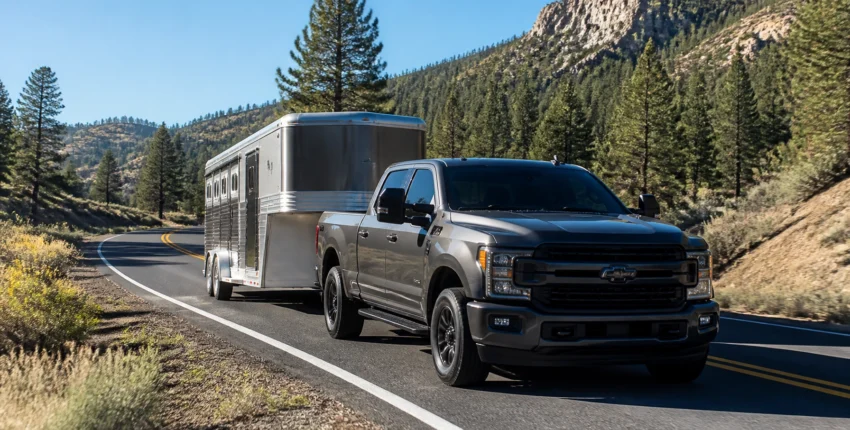
If you’ve lived around Bend for any length of time, you know that the scenery comes with a price: especially for your truck. Heading out for a weekend at Cultus Lake or hauling a trailer full of hay over Santiam Pass isn’t just a drive; it’s a grueling test of your vehicle’s cooling system. Throughout Central Oregon, the combination of high elevation, steep grades, and summer temperatures can push even a well-maintained diesel or gas truck to its absolute limit.
When you’re at the wheel, looking at a 6% grade ahead with 15,000 pounds behind you, the last thing you want to see is that temperature needle climbing into the red. Overheating isn’t just an inconvenience that leaves you stranded on a narrow shoulder; it can lead to catastrophic engine failure, warped heads, and thousands of dollars in repairs.
At Performance Authority, we’ve seen what the Cascades can do to a cooling system that isn’t 100% ready. To keep you on the road and out of the shop, we’ve put together this guide on the essential cooling system checks every driver in Central Oregon should perform before hitting the mountain passes.
The Science of Heat: Why Mountain Passes are Brutal
Before we dive into the checklist, it’s important to understand why our local terrain is so demanding. When you tow a heavy load uphill, your engine has to burn significantly more fuel to maintain speed. A massive byproduct of that combustion is heat. In a perfect world, your radiator and fan would dissipate that heat into the air as fast as the engine creates it.
However, as you climb toward the summit of Willamette Pass or the Blue Mountains, the air gets thinner. Thin air is less efficient at carrying heat away from your radiator. Combine that with the increased load of a trailer, and your truck is essentially fighting a two-front war against physics. This is why a cooling system that works perfectly fine on the flat roads near Redmond might suddenly fail the moment you start climbing into the mountains.
1. The Lifeblood: Coolant Condition and Levels
It sounds basic, but “good enough” coolant doesn’t cut it when you’re towing throughout Central Oregon. Coolant (or antifreeze) does more than just prevent freezing in the winter; it raises the boiling point of the water in your system and contains corrosion inhibitors that protect the internal metal surfaces of your engine.
- Check the Level: Always check your coolant level when the engine is stone-cold. If you’re consistently adding fluid, you have a leak. Even a pinhole leak in a radiator can lead to a sudden loss of pressure and immediate overheating under load.
- Verify the Mix: Running 100% water might seem like a quick fix in the summer, but it lacks the lubrication needed for your water pump and the boiling point protection required for mountain grades. Ensure you have a proper 50/50 mix or the manufacturer-specified ratio.
- The Smell Test: If you smell something sweet like maple syrup after a long drive, you likely have a slow leak. For drivers in Bend, catching this early at a specialized diesel repair shop can save your engine from a meltdown on the pass.
2. The Gatekeeper: Your Thermostat and Radiator Cap
These are two of the most inexpensive parts of your cooling system, yet they are often the most overlooked.
The thermostat acts as a valve that stays closed until the engine reaches operating temperature. If it gets “lazy” and doesn’t open fully, it restricts the flow of coolant to the radiator. Under a heavy tow, a partially closed thermostat is a recipe for disaster. If your truck is more than a few years old and has been working hard, a fresh thermostat is cheap insurance.
The radiator cap (or degas bottle cap on many diesels) is equally vital. It’s designed to hold the system under a specific amount of pressure: usually around 15 to 20 PSI. Every pound of pressure raises the boiling point of your coolant by about three degrees. If the seal on your cap is worn out, the system won’t hold pressure, and your coolant will boil at a much lower temperature, leading to “puking” and overheating.

3. Airflow is Everything: Radiator and Fan Clutch
Your radiator can only cool the engine if air is actually moving through it. For folks near Bend who frequently drive on gravel roads or through areas with high bug counts, the exterior fins of the radiator can become clogged.
- Clean the Fins: Use a low-pressure hose or compressed air to blow out debris from the front of your truck. Be careful not to bend the delicate aluminum fins.
- Check the Fan Clutch: Most heavy-duty trucks use a mechanical fan clutch. When the engine gets hot, the clutch should “lock up,” making the fan spin at full speed. You’ll usually hear a distinct roar from the engine bay when this happens. If your engine is getting hot but you never hear that fan kick in, your fan clutch is likely shot. This is a common cause of overheating during slow-speed climbs or while idling after a hard pull.
4. The Vulnerable Links: Hoses and Belts
Rubber components don’t last forever, especially with the extreme temperature swings we experience throughout Central Oregon. A burst radiator hose on a steep grade will empty your cooling system in seconds, often before you can even pull over safely.
Give your hoses a “squeeze test” when the engine is cool. They should feel firm but pliable. If they feel crunchy, excessively soft (mushy), or show signs of bulging near the clamps, replace them immediately. Similarly, check your serpentine belt for cracks, glazing, or fraying. The belt drives your water pump; if it snaps, your cooling stops instantly.
If you’re unsure about the state of your belts and hoses, it’s worth scheduling a general truck maintenance service to get a professional set of eyes on them.
5. Transmission and Oil Cooling
While we focus on “coolant,” your engine oil and transmission fluid also carry a significant amount of heat. On trucks equipped with a “tow package,” you likely have auxiliary coolers for these fluids.
When towing heavy loads through the Cascades, your transmission is working overtime. Heat is the number one killer of automatic transmissions. Ensure that the lines to your transmission cooler are in good shape and that the cooler itself isn’t blocked by debris. If you find your transmission temps are consistently high, it might be time to look into truck performance upgrades like a larger aftermarket cooler.
Driving Tips for the High Desert and Mountains
Preparation in the shop is half the battle; the other half is how you drive. To protect your cooling system on the road:
- Use Tow/Haul Mode: This changes your shift points to keep the engine in its power band and utilizes engine braking on the way down.
- Watch the RPMs: Don’t “lug” the engine (running at low RPM with high throttle). Downshifting to a lower gear increases engine RPM, which in turn speeds up your water pump and cooling fan, moving more fluid and air when you need it most.
- The A/C Trick: If you see your temperature gauge creeping toward the red, turn off the air conditioning. The A/C condenser sits right in front of your radiator and dumps a massive amount of heat into the air before it even hits your engine’s cooling system. Turning it off can drop your engine temp by 10 to 15 degrees in a matter of minutes.
- Don’t Shut Down Hot: If you reach the top of a pass and pull over, do not shut the engine off immediately. Let it idle for 3 to 5 minutes. This allows the coolant to keep circulating and the fan to draw heat away, preventing “heat soak” which can damage gaskets and seals.
Conclusion: Don’t Leave Your Trip to Chance
Towing in the mountains near Bend is one of the most stressful things you can ask of your truck. While modern pickups are incredibly capable, they rely on a complex network of parts to stay cool under pressure. A single failing hose, a weak radiator cap, or a tired water pump is all it takes to turn a great weekend into an expensive nightmare.
At Performance Authority, we’ve spent over 25 years helping drivers throughout Central Oregon keep their rigs in peak condition. We specialize in Dodge Cummins, Ford Power Stroke, and Chevy/GMC Duramax diesel engines, as well as heavy-duty gas trucks. Whether you need a simple system flush or a full cooling system overhaul before your next big trip, our team has the expertise and dealership-level diagnostics to get the job done right.
Ready to conquer the Cascades with confidence? Give us a call or visit our shop in Bend today to schedule your pre-trip cooling system inspection. Let’s make sure your rig is as ready for the passes as you are.